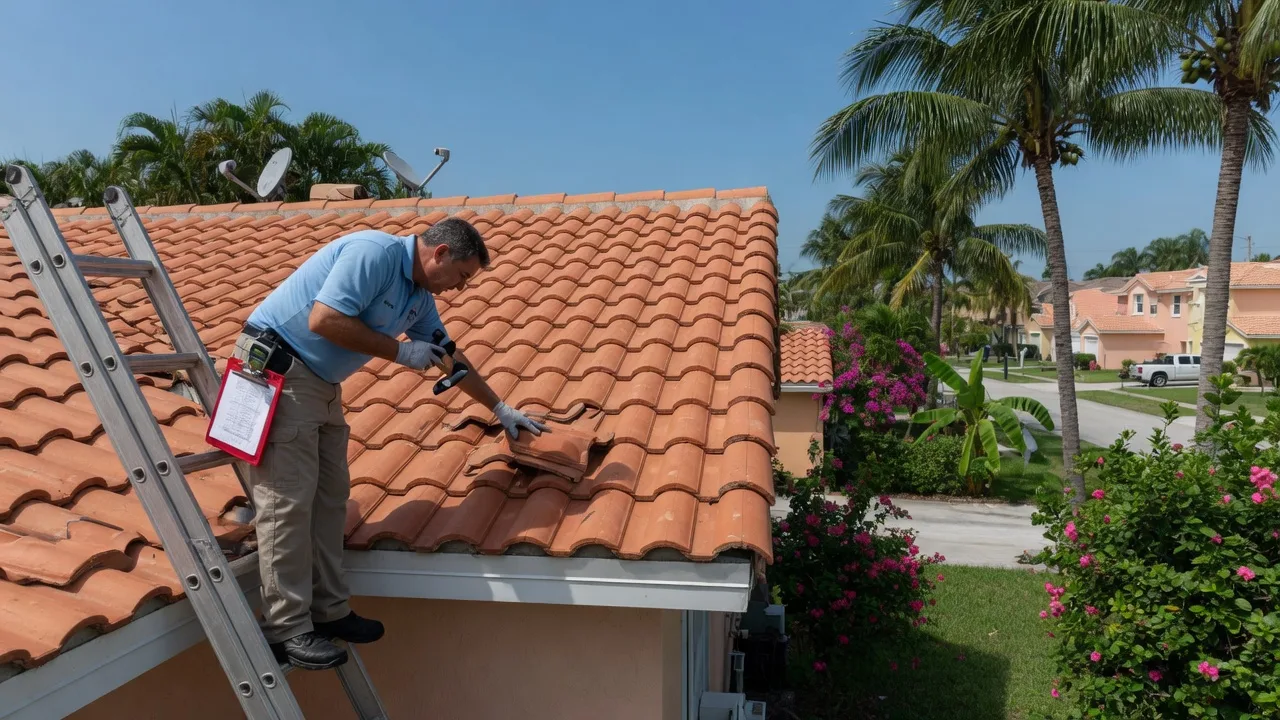
A home inspection is one of the most important steps in any home purchase, and in South Florida, the process comes with unique considerations that buyers from other parts of the country may not expect. From wind mitigation reports to 4-point inspections, termite checks to sewer scopes, buying a home in Davie means understanding a set of Florida-specific inspections that protect your investment and help you insure the property. As a Davie-based Realtor with 24 years of experience, I have walked hundreds of buyers through this process. Here is exactly what you should expect.
The General Home Inspection: What It Covers
Every home purchase in Davie should begin with a standard general home inspection performed by a licensed Florida home inspector. This inspection covers the major systems and structural components of the home:
- • Structural components: Foundation, floors, walls, ceilings, and framing.
- • Roof system: Condition, age, flashing, gutters, and visible signs of leaks or damage.
- • Electrical system: Panel condition, wiring type, outlets, and safety hazards.
- • Plumbing system: Pipes, water heater, fixtures, drains, and visible leaks.
- • HVAC system: Heating and air conditioning unit age, condition, and performance.
- • Interior: Walls, ceilings, floors, windows, doors, stairs, and countertops.
- • Exterior: Siding, trim, grading, drainage, and walkways.
A good inspector will spend 2 to 4 hours on a typical single-family home in Davie, depending on its size, age, and condition. Plan to attend the inspection in person if you are local, or join via video call if you are buying remotely. Being present allows you to ask questions and see issues firsthand.
Florida-Specific Inspections You Should Not Skip
In addition to the general inspection, Florida has several specialized inspections that are either required by insurers or strongly recommended for any informed buyer.
Wind Mitigation Inspection
A wind mitigation inspection is one of the most valuable inspections you can get in South Florida. It evaluates the home's hurricane-resistant features, including the roof shape (hip roofs perform better than gable roofs), roof-to-wall connections, roof deck attachment, window and door protection (impact glass vs. shutters), and garage door reinforcement.
The results of this inspection directly affect your homeowner's insurance premium. A home with strong wind mitigation features can qualify for significant insurance discounts. A home with weak features will cost more to insure. In some cases, the difference between a well-prepared home and a poorly prepared one can be $1,000 or more per year in premiums.
The inspection itself is relatively inexpensive — typically $75 to $150 — and the savings can pay for itself many times over. I recommend every buyer in Davie include a wind mitigation inspection as part of their due diligence, regardless of the home's age.
4-Point Inspection
Most Florida insurance companies require a 4-point inspection for homes built 20 years ago or older. This inspection focuses on four critical systems: the roof, electrical system, plumbing system, and HVAC. The inspector evaluates the age, condition, and remaining useful life of each system. If any of these systems is in poor condition, the insurer may decline to write a policy or require repairs as a condition of coverage.
The roof is the single most common issue flagged in 4-point inspections. Many Florida insurers will not insure a home with a roof that is more than 15 to 20 years old, regardless of its apparent condition. If you are buying an older home in Davie and the roof is original, you should budget for a replacement either during negotiations or shortly after closing.
WDO (Wood-Destroying Organisms) Inspection
Also called a termite inspection, the WDO inspection checks for evidence of active infestations and previous damage from termites, carpenter ants, wood-boring beetles, and other pests. Florida's warm, humid climate means termite activity is a real concern. Most lenders and the standard Florida real estate contract require a termite inspection as a condition of the sale.
If the inspection finds active infestation, the seller is typically responsible for treatment. If it finds previous damage, you will want a structural evaluation to determine whether any repairs are needed. In Davie's older neighborhoods and acreage properties, termite history is relatively common, so do not be alarmed if the report shows some evidence of past activity — what matters is whether the damage is structural and whether it has been properly treated.
Sewer Line Scope
This is an optional but highly recommended inspection that sends a camera through the home's sewer line to check for cracks, root intrusion, blockages, and deterioration. In older Davie homes — particularly those built before the 1990s — cast-iron or clay sewer pipes can degrade over time. Replacing a damaged sewer line can cost $5,000 to $15,000 or more, making this a worthwhile precaution for peace of mind.
Common Inspection Issues in Davie Homes
Based on hundreds of inspections I have reviewed for Davie home buyers, here are the most common issues that come up in this market:
Polybutylene Plumbing
Homes built between the late 1970s and early 1990s may have polybutylene (PB) plumbing pipes. These gray or blue plastic pipes are prone to cracking and leaking. Many insurance companies will not write a policy on a home with polybutylene plumbing, so if you find it during an inspection, replacement is usually necessary. The cost to repipe a home runs $3,000 to $8,000 depending on the size and layout.
Aging Roof Systems
This is the most common negotiation point in Davie home purchases. Many homes have roofs that are reaching the end of their useful life (15 to 20 years for asphalt shingles, longer for tile roofs). If the roof has less than 5 years of remaining life, most buyers use this as a leverage point for a credit or price reduction. With Florida's current insurance market, a roof that is too old can make the home effectively uninsurable.
Moisture Intrusion and Mold
South Florida's humidity creates conditions where moisture intrusion is a persistent risk. Poorly sealed windows, inadequate ventilation in attics and crawl spaces, and AC condensation issues can all lead to mold growth. A thorough inspection should include moisture meter readings and visual checks for signs of water damage. Many buyers choose to add a mold-specific inspection if the home has a history of leaks or is in a low-lying area.
Outdated Electrical Panels
Older homes may have Federal Pacific, Zinsco, or other panels that are considered safety hazards. These panels can fail to trip properly during an overload, creating a fire risk. Replacing an outdated panel typically costs $1,500 to $4,000 and is often a condition of insurance approval.
Aluminum Wiring
Some homes built in the 1960s and 1970s may have aluminum wiring, which can be a fire hazard if not properly maintained. If your inspector finds aluminum wiring, a licensed electrician should evaluate it and determine whether remediation is needed. Many insurance companies also flag this as a potential risk.
How the Inspection Process Works in Florida
In Florida, the inspection period is a defined window in your contract — typically 7 to 15 days from the date the contract is executed. During this period, you have the right to conduct inspections and, based on the results, negotiate repairs, request credits, or terminate the contract.
Here is the typical timeline:
- • Days 1-5: Schedule and complete the general inspection plus specialized inspections (wind mitigation, 4-point, WDO, sewer scope).
- • Days 5-7: Review inspection reports with your agent and decide which items to address with the seller.
- • Days 7-10: Submit a repair request or ask for a credit. Your agent will handle the negotiation.
- • Days 10-15: Finalize the inspection resolution. If agreed, proceed to closing. If not resolved, you may have the right to terminate.
In Florida, the standard contract gives the seller the right to decline your repair request, but it also gives you the right to walk away if you are not satisfied with the resolution. This is one of the most important buyer protections in the process.
How Much Should You Expect to Pay for Inspections?
A comprehensive inspection package for a typical Davie home generally costs:
- • General home inspection: $350 to $550
- • Wind mitigation inspection: $75 to $150
- • 4-Point inspection: $75 to $150 (sometimes bundled with wind mitigation)
- • WDO / termite inspection: $75 to $150
- • Sewer line scope: $150 to $350
- • Pool inspection (if applicable): $150 to $300
A complete inspection package runs $500 to $900 for most single-family homes in Davie. Compared to the cost of discovering a major issue after closing, this is money well spent.
Final Advice for Davie Home Buyers
The inspection process is not about finding a perfect home. No home is perfect, especially in a climate as demanding as South Florida's. The goal is to understand the home's true condition so you can make an informed decision and budget accordingly for maintenance and repairs.
My advice to every buyer is to take inspections seriously but not to let minor issues derail a good purchase. A home with an older AC unit that still works fine is different from a home with an active termite infestation or a roof that needs immediate replacement. Your agent's job is to help you distinguish between routine maintenance items and genuine problems.
If you are buying in Davie and want to make sure the inspection process goes smoothly, I am always happy to help. I work with trusted local inspectors who know the Davie market's common issues and can give you a clear, honest picture of what you are buying.
Buying a Home in Davie?
Michael Peron helps buyers in Davie and Broward County navigate the inspection process with confidence. From scheduling to negotiation, he makes sure you know exactly what you are buying before you close.
Talk to Michael